


-

Add: HeBei ShengShi HongBang Cellulose Technology CO.,LTD.
-

Email
13180486930@163.com -

CONTACT US
+86 13180486930

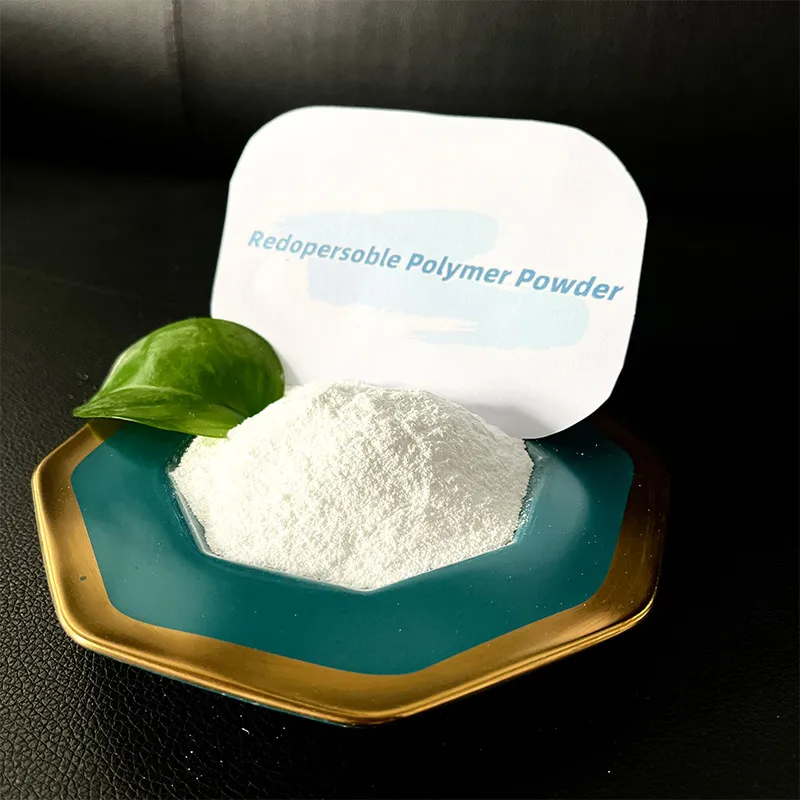

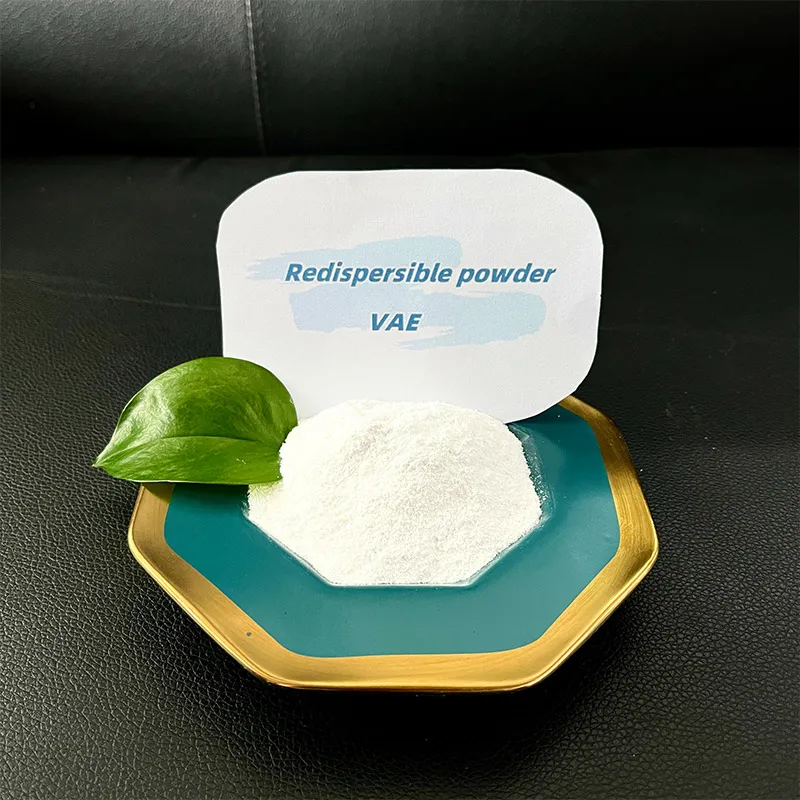
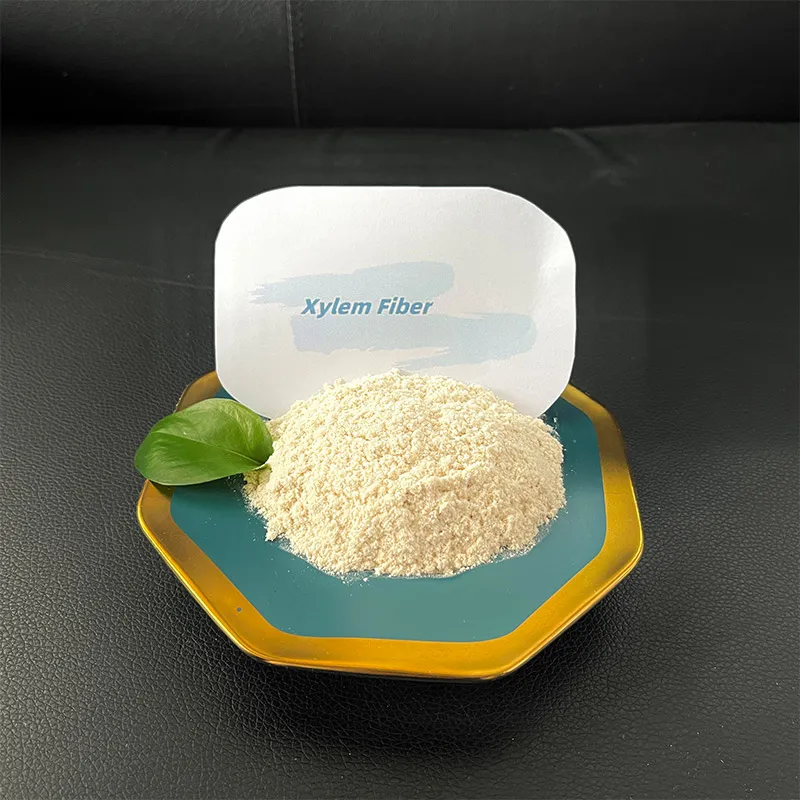


Hydroxy starch has emerged as a promising ingredient in various industries due to its versatile properties and potential benefits . Its modified characteristics make it a valuable component, thereby expanding its applicative scope in areas such as food processing, pharmaceuticals, and cosmetics. Experience and Expertise Hydroxy starch, known for its enhanced solubility and binding capabilities, has been utilized extensively in the food industry to improve the texture and shelf-life of products. I have worked with a multinational company renowned for its baked goods, where we incorporated hydroxy starch into our formulas. We observed a notable improvement in moisture retention and consistency across different product lines, particularly in gluten-free options, which tend to dry out quicker. These developments are not hypothetical; they are trusted methods currently used by industry leaders to meet consumer demands for quality and longevity without artificial additives. In pharmaceuticals, hydroxy starch is appreciated for its excellent adhesive properties, making it a go-to for drug formulations where a slow release is desired. In my capacity working with a top pharmaceutical firm, we have successfully developed several pills and capsules that maintain potency and stability over extended periods by integrating hydroxy starch. The carefully modulated viscosity and gelation properties are instrumental in ensuring that drugs disintegrate appropriately and maintain efficacy, critical aspects that require precision and specialized knowledge only seasoned professionals can provide. Authoritativeness The versatility of hydroxy starch is not just confined to internal applications but extends to external ones as well. Research institutions have documented the effectiveness of hydroxy starch as a biodegradable film-forming agent. Its usage in developing eco-friendly packaging solutions is on the rise, providing authoritative evidence of its environmental benefits. Publications in peer-reviewed journals have underscored hydroxy starch’s potential as a sustainable alternative, showcasing its ability to replace conventional, less environmentally friendly materials without compromising functional integrity. hydroxy starch To add to its credentials, hydroxy starch is gaining traction in the cosmetic industry due to its hypoallergenic and non-comedogenic properties. Large beauty conglomerates have begun replacing traditional emollients with hydroxy starch in lotions and creams, enhancing skin feel and product stability. Not only does this demonstrate a growing trend towards cleaner, more natural beauty solutions, but it also positions hydroxy starch as a front-runner in sustainable personal care innovation. Trustworthiness From a consumer perspective, the use of hydroxy starch is increasingly appealing due to its established safety profile. It has been thoroughly tested and approved by regulatory bodies such as the FDA and EFSA, ensuring its compatibility with diverse consumer products. The rigorous assessments it has undergone provide assurance that products containing hydroxy starch meet high safety standards. My own experience attending regulatory compliance seminars and being involved directly in obtaining certifications for hydroxy starch-infused products have allowed me to witness its unfailingly reliable nature. Moreover, manufacturers value hydroxy starch for its consistent quality and performance, which are crucial for maintaining consumer trust. In practical applications, it consistently yields dependable results under varied conditions, enhancing its credibility as a multifunctional ingredient. Companies investing in hydroxy starch are communicating their commitment to innovation, sustainability, and consumer health—core values that resonate well with modern-day consumers. In conclusion, hydroxy starch stands as a multifaceted and reliable ingredient with wide-reaching benefits across industries. Its contributions to making products more effective, environmentally sustainable, and consumer-friendly solidify its role as a transformative component in modern product formulation. Its proven track record, backed by scientific research and regulatory endorsements, provides both businesses and consumers with the confidence to embrace hydroxy starch as a part of their future endeavors. Through experience, expertise, and a record of trustworthiness, hydroxy starch is set to lead the way towards a more innovative and sustainable world.
- 40000tons

Production
- 20+years

Experience
- 5000+㎡

Acreage

-
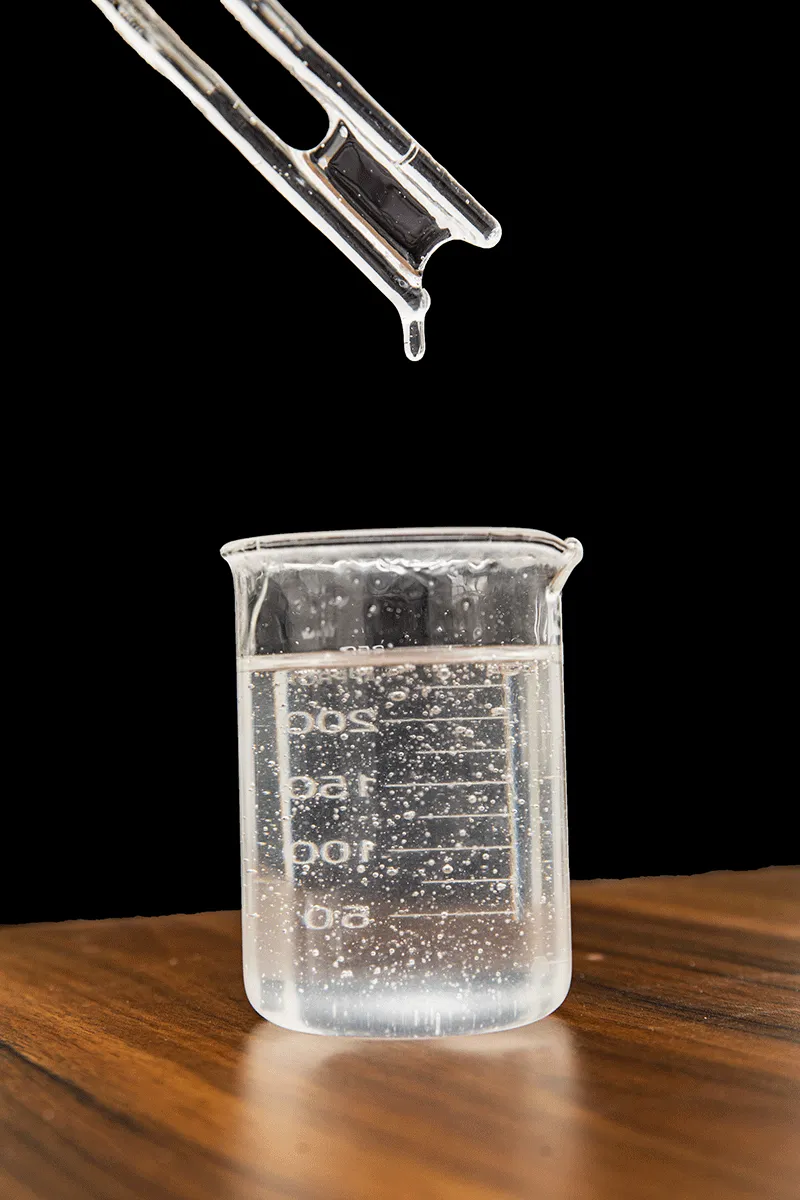
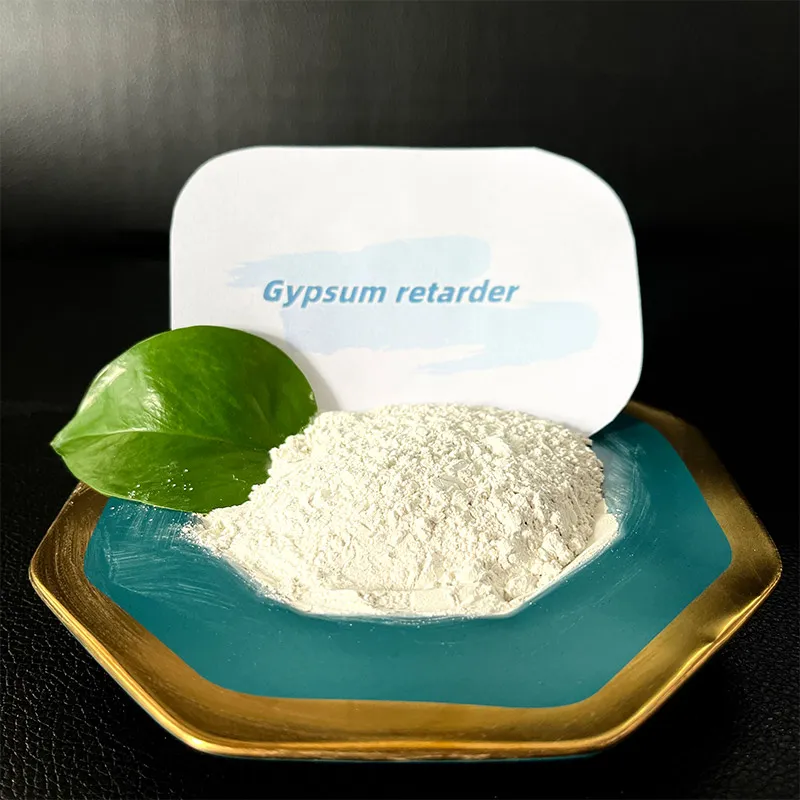
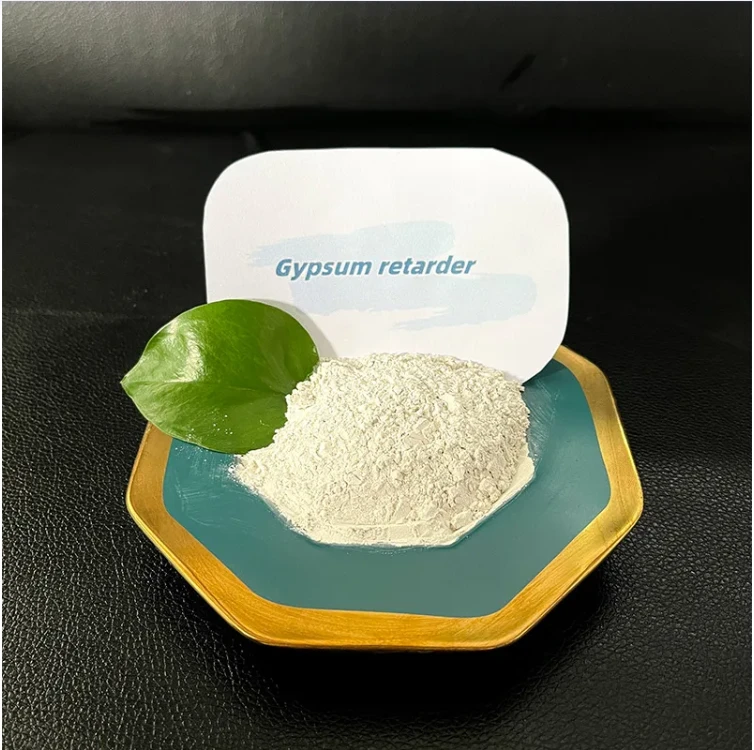
Gypsum retarder is an important construction additive, designed to extend the setting time of gypsum materials, thereby improving the operability of construction. This chemical is widely used in the construction industry, especially in projects requiring a long construction time, and plays a vital role. Due to the short setting time of traditional gypsum, it limits the large-scale and complex construction process, and after the addition of retarder, workers can more easily carry out fine construction and adjustment, ensuring the construction quality and efficiency. The main components of gypsum retarder can include a variety of organic and inorganic substances, such as sodium citrate, tartaric acid and so on. By reacting with dissolved components in gypsum, these substances delay the hydration reaction rate of gypsum, thus delaying the initial and final coagulation time. This delay does not affect the final strength of the plaster, ensuring the durability and stability of the finished product. In recent years, with the improvement of building technology and construction standards, the demand for gypsum retarder continues to grow. New environmentally friendly gypsum retardants are gradually favored by the market, and they use more green and sustainable formulations to reduce the negative impact on the environment. Manufacturers are focusing on the development of efficient and environmentally friendly retarders to meet the sustainable development needs of the modern construction industry. The application of gypsum retarder is very wide, including wall plastering, ceiling, decorative modeling and so on. It ensures the flexibility of construction operation without affecting the physical properties and aesthetics of the finished product. This makes the chemical one of the indispensable materials in modern construction. In general, gypsum retarder as a chemical additive to improve construction convenience and operability, promote the technical progress of the construction industry, while catering to the trend of sustainable development, the future market potential can not be underestimated.
-

Understanding Wood Cellulose Its Nature and Importance Cellulose is a complex carbohydrate that is a primary component of the cell walls of plants, including trees and other woody plants. It is an essential structural polysaccharide that provides plants with strength and rigidity. In the context of wood, cellulose accounts for a significant portion of its composition, playing a critical role in its mechanical properties and durability. What is Cellulose? Cellulose is a polymer made up of long chains of glucose units linked together by beta-1,4-glycosidic bonds. This linear arrangement allows cellulose molecules to pack tightly together, forming strong fibers that give wood its strength. The structure of cellulose differs from that of starch, another carbohydrate made up of glucose units. While starch is branched and serves as an energy reserve for plants, cellulose maintains a straight chain configuration, which is crucial in providing structural stability. In wood, cellulose is present alongside other important components, such as hemicellulose and lignin. Hemicellulose is another type of polysaccharide that helps to bind cellulose fibers together, while lignin provides additional rigidity and resistance to decay. The combination of cellulose, hemicellulose, and lignin contributes to the overall strength, flexibility, and longevity of wood. The Role of Cellulose in Wood Cellulose serves several vital functions in wood. Its primary role is to provide structural integrity. The strong and durable cellulose fibers contribute to the mechanical strength that enables trees to grow tall and withstand external forces such as wind and snow. This property is particularly important for trees, as their height and stability are crucial for sun exposure and nutrient acquisition. Moreover, cellulose also plays a role in water retention and transportation within the plant. The porous structure created by cellulose fibers allows for the movement of water and nutrients from the roots to the leaves. This hydraulic function is essential for the growth and health of the tree. Applications of Wood Cellulose ¿qué es la celulosa de madera? The significance of cellulose extends beyond its biological functions; it is also a valuable resource for various industries. Wood cellulose is harvested and processed to produce a wide range of products, including paper, textiles, and biodegradable plastics. Paper Production The paper industry relies heavily on cellulose extracted from wood pulp. The cellulose fibers are processed, bleached, and formed into sheets, which are then dried and rolled into paper products. The strength and flexibility of cellulose make it ideal for creating high-quality paper. Textiles Cellulose fibers can be transformed into textiles such as rayon and lyocell. These fabric materials are derived from wood pulp and are prized for their softness, breathability, and biodegradability. As sustainability becomes increasingly important in the fashion industry, cellulose-based textiles provide an eco-friendly alternative to synthetic fibers. Biodegradable Plastics With the rise of environmental concerns regarding plastic pollution, wood cellulose has emerged as a potential material for producing biodegradable plastics. Utilizing cellulose as a raw material for bioplastics allows for the creation of renewable and compostable alternatives to conventional petroleum-based plastics. Environmental Significance From an environmental perspective, cellulose plays a vital role in carbon sequestration. Trees absorb carbon dioxide from the atmosphere during photosynthesis, converting it into cellulose and other organic compounds. This process not only contributes to the growth of trees but also helps to mitigate climate change by reducing greenhouse gas levels in the atmosphere. Sustainable forest management practices that prioritize the retention of cellulose-rich trees contribute to preserving biodiversity and promoting healthy ecosystems. By ensuring that forests remain intact and flourishing, we can continue to benefit from the myriad resources and ecological services they provide. Conclusion Cellulose in wood is a remarkable natural polymer that holds tremendous significance for both the environment and various industries. Its structural properties contribute to the strength and durability of trees, while its versatility makes it a valuable resource for producing a wide array of products. As we seek sustainable solutions for the future, understanding the role of wood cellulose and utilizing it responsibly will be essential for balancing ecological health with industrial needs.
advantages
-

200000 Viscosities
Excellent product
We can produce pure products up to 200,000 viscosities
-

40000 tons
High yield
We don’t stop production all year round, and the annual output can reach 40,000 tons
-

24 hours
Quality service
We provide 24-hours online reception service, welcome to consult at any time
———— Inquiry Form
Schedule A services
-
 polvo_de_hidroxipropilmetilcelulosa
Oct . 25, 2025
Hydroxypropyl methylcellulose (HPMC) is increasingly being recognized for its diverse applications i -
 cellulose_wood_putty
Oct . 25, 2025
HPMC Church blends tradition with contemporary values, offering a unique experience that resonates w -
 polypropylene_renforce_de_fibre_de_verre
Oct . 25, 2025
Understanding Cellulose in Wood Cellulose is a vital organic polymer that plays a crucial role in th


